I Never Really Thought About Iron Until I Started Paying Attention
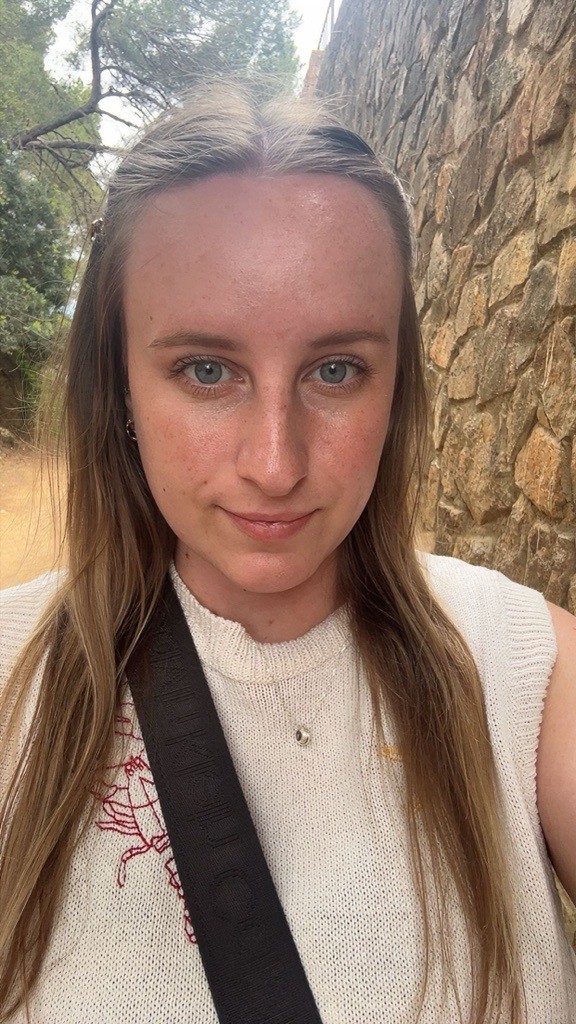
For 25-year-old Liv Cooper, living a healthy lifestyle has always been important. But it wasn't until she started taking a closer look at her nutrition that she began to appreciate the role essential nutrients, including iron, play in supporting everyday health and wellbeing.
"Looking back, I don't think I ever gave much thought to iron or how important it is to our bodies.
Like a lot of people my age, I was focused on trying to live a healthy, balanced lifestyle. I enjoyed playing football, going to the gym, spending time with friends and generally keeping active.
I'd always considered myself quite health-conscious, but when it came to nutrition, I realised there was actually quite a lot I didn't know.
I'd think about things like eating enough protein, drinking plenty of water and getting my five a day, but iron wasn't something that was really on my radar.
It wasn't until I started taking more of an interest in my overall health and nutrition that I began learning about the different vitamins and minerals our bodies need.
One of the things that really surprised me was just how many important functions iron contributes to.
I'd heard people talk about iron before, but I didn't really understand what it did or why getting enough of it through our diet was important.
I started reading more about nutrition and learning how iron contributes to normal energy-yielding metabolism, the normal formation of red blood cells and haemoglobin, and normal oxygen transport around the body.
I also discovered that iron contributes to normal cognitive function and the normal function of the immune system, which I hadn't appreciated before.
It made me realise that nutrition is about so much more than simply eating healthily or exercising regularly. There are lots of different nutrients that contribute to our bodies functioning normally, and iron is one of them.
As someone who enjoys keeping active, I found learning about the role of iron in normal energy-yielding metabolism particularly interesting.
I've also become much more aware of the importance of maintaining a varied and balanced diet and making sure I'm including different sources of essential nutrients in my everyday meals.
For me, it's been about becoming more informed and taking a more rounded approach to looking after myself.
I think when you're younger, it's easy to assume that if you're eating reasonably well and staying active, you've got everything covered.
But the more I've learnt, the more I've realised there's always something new to understand about nutrition.
I also think iron is one of those nutrients that doesn't always get the same attention as things like protein or vitamin D, even though it has several important roles in the body.
It's something I'd love to see more people talking about, particularly women my age.
Not because iron is only important at certain times in our lives, but because getting the right balance of nutrients is an ongoing part of supporting our health and wellbeing.
If there's one thing I've taken away from learning more about iron, it's that looking after yourself isn't about making huge changes overnight.
Sometimes it's simply about becoming more informed about the body's functions, understanding the role different nutrients play and making informed choices about your everyday nutrition.
I'm certainly much more conscious of iron than I used to be, and it's become something I think about as part of my wider approach to maintaining a healthy lifestyle."
Why iron matters
Iron is an essential mineral that plays several important roles in supporting normal bodily functions throughout life.
It contributes to normal energy-yielding metabolism, the normal formation of red blood cells and haemoglobin, and normal oxygen transport around the body.
Iron also contributes to normal cognitive function, the normal function of the immune system and the reduction of tiredness and fatigue.
Maintaining an adequate intake of iron is an important part of a varied and balanced diet, alongside other essential vitamins and minerals.
Dietary sources of iron include red meat, beans, lentils, chickpeas, nuts and fortified cereals. Including a variety of iron-containing foods in everyday meals can help support regular dietary intake.
Supporting Everyday Iron Intake with BlueIron
For those looking for a convenient way to supplement their dietary iron intake, BlueIron offers a range of liquid iron food supplements, including BlueIron High Strength Drops.
Providing 20mg of iron per recommended daily dose, BlueIron High Strength Drops feature patented micro-encapsulated ferric iron technology in an easy-to-use liquid format.
The formulation also contains vitamin C, which increases iron absorption, alongside Nordic blueberry juice for a pleasant taste.
With a convenient pipette for measured dosing, BlueIron High Strength Drops can be incorporated into an everyday nutritional routine alongside a varied and balanced diet.
Food supplements should not be used as a substitute for a varied and balanced diet and healthy lifestyle. Always follow the recommended daily dosage and product instructions.-
Posted by Emily Garfield
24th November 2026